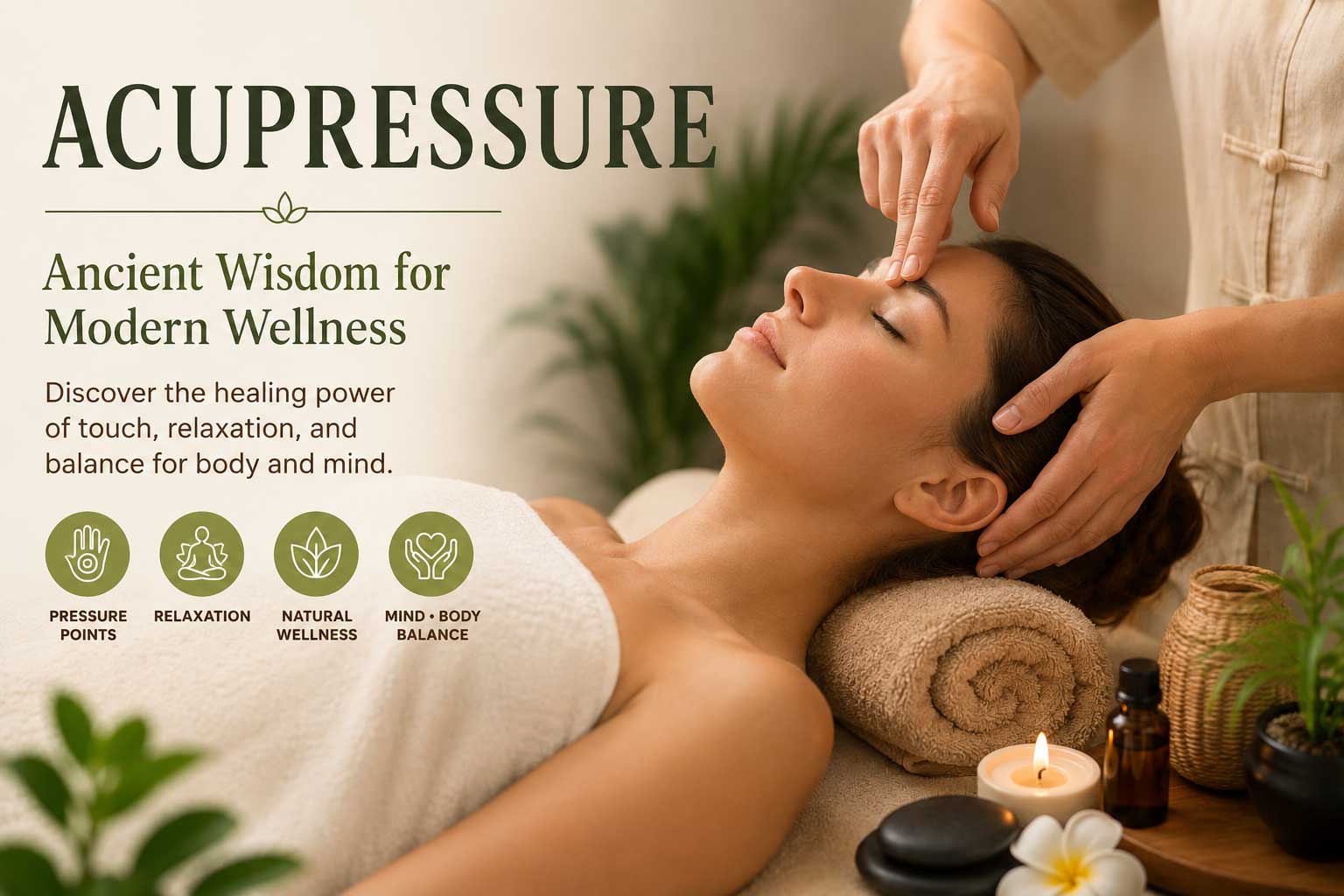
What is acupressure? Acupressure is considered one of the world’s oldest traditional wellness practices and has remained part of holistic wellness traditions throughout Asia for centuries.
Historically, different forms of pressure-point therapy were used as part of broader wellness systems focused on balance, relaxation, movement, mindfulness, and overall well-being. Over generations, these techniques became closely connected with massage practices, breathing exercises, stretching routines, meditation, and traditional approaches to natural wellness.
Today, acupressure continues to attract growing interest from people exploring holistic self-care and relaxation-focused lifestyles. Many people appreciate acupressure because it combines touch-based wellness, mindfulness, body awareness, calming routines, and non-invasive techniques into a practice centered around relaxation and balance.
Modern wellness enthusiasts often incorporate acupressure into broader self-care routines that may also include massage therapy, yoga, meditation, herbal wellness practices, gentle stretching, and intentional relaxation rituals.
One reason acupressure continues to resonate with people around the world is that it encourages something many modern lifestyles lack — slowing down, reconnecting with the body, and creating moments of calm away from constant stress and overstimulation.
Many people searching for what is acupressure are often interested in natural wellness approaches, relaxation techniques, and holistic self-care routines.
In this guide, we’ll explore what acupressure is, how it traditionally works, common pressure points, and why it remains popular worldwide today.
The Origins of Acupressure
Acupressure has deep roots in traditional Asian wellness philosophies that began developing thousands of years ago and gradually evolved into one of the world’s most recognized holistic wellness practices.
Historically, many traditional practitioners believed that balance and harmony within the body played an important role in overall well-being. Wellness systems throughout Asia often focused on the connection between physical comfort, mental calmness, movement, breathing, and daily lifestyle habits.
As these traditions developed over generations, pressure-point techniques became integrated into broader wellness practices that included movement exercises, herbal traditions, massage therapy, breathing techniques, mindfulness practices, and lifestyle balance.
Rather than focusing only on isolated symptoms, many traditional approaches emphasized supporting the body as a whole through relaxation, awareness, and intentional daily routines.
Over time, acupressure evolved into a widely practiced bodywork and relaxation technique used in many different wellness settings. Today, modern wellness professionals, massage therapists, holistic practitioners, and spa specialists often incorporate acupressure-inspired methods into broader wellness and recovery routines.
Even in modern wellness culture, acupressure continues to reflect ancient ideas centered around calmness, balance, mindfulness, and the connection between body and overall well-being.
What Is Acupressure?
Acupressure is a traditional wellness practice that involves applying gentle physical pressure to specific points on the body using the hands or specialized wellness tools.
These pressure points are traditionally believed to correspond with pathways connected to overall balance, relaxation, and well-being. For centuries, pressure-point techniques have been incorporated into broader holistic wellness systems focused on mindfulness, body awareness, movement, and relaxation.
Unlike acupuncture, acupressure does not involve needles. Instead, practitioners typically use fingers, thumbs, palms, elbows, massage tools, or acupressure devices to apply focused pressure to targeted areas of the body.
Depending on the technique and wellness goal, the pressure may range from light and soothing to deeper and more focused bodywork. Some sessions emphasize gentle relaxation and stress reduction, while others focus more on relieving areas of muscular tightness and physical tension.
Many people describe acupressure sessions as calming, grounding, and physically relaxing. The quiet environment, intentional touch, and slower pace often create an experience that encourages mindfulness and temporary relief from the stress and overstimulation of modern daily life.
Today, acupressure continues to be widely used in wellness centers, massage therapy practices, spas, holistic health clinics, and personal self-care routines around the world.
How Acupressure Traditionally Works
Traditional wellness philosophies often describe acupressure as a practice focused on supporting balance and harmony throughout the body.
In many traditional approaches, practitioners believed that specific pressure points were connected through pathways commonly referred to as meridians. These pathways were thought to play a role in maintaining overall balance, movement, and well-being within the body.
Over generations, pressure-point techniques became integrated into broader wellness systems that emphasized relaxation, mindfulness, breathing, movement, and intentional living rather than focusing solely on physical discomfort.
Today, many modern wellness enthusiasts interpret acupressure more practically as a combination of targeted touch, body awareness, relaxation techniques, mindfulness, muscular tension relief, and calming self-care routines.
For many people, the experience of acupressure itself is part of what makes it appealing. Quiet treatment environments, focused breathing, gentle pressure, and intentional relaxation may help encourage rest, stress reduction, and a stronger sense of physical calmness.
Modern wellness routines often combine acupressure with stretching, massage therapy, meditation, herbal wellness practices, and recovery-focused habits designed to support relaxation and overall well-being.
Why Acupressure Remains Popular
Acupressure continues to grow in popularity because many people are increasingly interested in wellness approaches that feel natural, calming, non-invasive, relaxing, holistic, and accessible.
In today’s fast-paced world, many individuals are searching for ways to reduce stress, create healthier self-care habits, and reconnect with slower, more intentional wellness routines. Acupressure appeals to many people because it emphasizes relaxation, mindfulness, body awareness, and calming physical touch without requiring complicated equipment or highly intensive procedures.
For many wellness enthusiasts, acupressure is not viewed as a standalone practice, but rather as part of a broader lifestyle focused on balance and overall well-being.
People commonly combine acupressure with other wellness practices such as:
| Wellness Practice | Common Purpose |
|---|---|
| Massage therapy | Relaxation and recovery |
| Stretching | Mobility and flexibility |
| Meditation | Mindfulness and stress reduction |
| Herbal tea | Relaxation rituals |
| Yoga | Body awareness and movement |
| Breathing exercises | Calmness and focus |
| Sauna sessions | Recovery and relaxation |
The overall experience often plays an important role in why people enjoy acupressure. Quiet environments, intentional touch, calming music, aromatherapy, mindful breathing, and moments of stillness may all contribute to a greater sense of relaxation and physical comfort.
As interest in holistic wellness continues to expand globally, acupressure remains appealing to people looking for wellness routines that encourage calmness, mindfulness, and a stronger connection between body and daily self-care habits.
Common Pressure Points
There are many pressure points traditionally associated with acupressure, and different wellness traditions often focus on different areas of the body depending on the intended relaxation or bodywork routine.
Some pressure points are especially popular in self-care and relaxation-focused wellness practices because they are easy to access and commonly associated with stress relief, muscle relaxation, and mindfulness routines.
For many people, these simple pressure-point routines become small daily rituals that help create moments of calm during otherwise stressful days.
Hand Pressure Points
Hand pressure points are among the most commonly used areas in acupressure-inspired self-care routines.
Many people gently massage certain areas of the hands during stressful days, while traveling, during work breaks, or while practicing quiet relaxation rituals at home. Because the hands are easily accessible, hand pressure techniques are frequently included in self-massage and mindfulness routines.
Simple hand massage practices may also encourage people to slow down, focus on breathing, and take short moments of calm during busy schedules.
Shoulder and Neck Areas
The shoulders and neck are well-known areas where physical tension often builds throughout the day.
Modern lifestyles commonly contribute to tightness caused by:
- stress
- desk work
- posture habits
- screen time
- repetitive movement
- long sitting hours
As a result, many relaxation-focused acupressure and massage routines involve gentle work around the shoulders, upper back, and neck area.
Warm environments, slow breathing, and calming music are often combined with these techniques to create a more relaxing experience.
Foot Pressure Points
Foot-focused pressure techniques remain especially popular in reflexology-inspired wellness traditions.
Many people enjoy foot massage and pressure-point routines as part of evening relaxation habits because the feet often carry physical fatigue after long days of standing, walking, or working.
Foot wellness rituals are commonly associated with comfort, relaxation, and stress reduction, especially when paired with warm baths, herbal tea, aromatherapy, or calming nighttime routines.
For many people, foot-focused acupressure simply becomes a peaceful way to unwind and slow down at the end of the day.
Acupressure and Relaxation
One reason many people continue to enjoy acupressure is because it encourages intentional relaxation in a world that often feels constantly busy and overstimulating.
Modern lifestyles frequently contribute to:
- screen fatigue
- stress
- poor posture
- physical tension
- mental overload
- lack of quiet time
Long hours spent working at desks, using phones, commuting, and multitasking can leave many people feeling physically tight and mentally exhausted by the end of the day.
Acupressure sessions often provide an opportunity to step away from those constant distractions and focus instead on stillness, recovery, and mindfulness. Wellness retreats and wellness travel experiences centered around mindfulness and relaxation have also grown significantly in popularity in recent years. For many people, the calming environment becomes just as important as the physical techniques themselves.
Relaxing treatment rooms, soft lighting, calming music, aromatherapy, mindful breathing, and gentle pressure-point work all contribute to creating a more peaceful experience. Many people also explore mindfulness and relaxation practices designed to support calmer daily routines and intentional wellness habits. Even a short session may help encourage moments of calmness and relaxation that are often missing from fast-paced modern routines.
Many wellness enthusiasts also combine acupressure with other calming habits such as herbal tea rituals, meditation, stretching, massage therapy, and evening self-care routines focused on slowing down and reconnecting with the body.
Herbal wellness routines centered around calming teas and mindful relaxation rituals have also become increasingly popular among people exploring holistic self-care practices.
In many ways, acupressure appeals to people not only because of the techniques themselves, but because it creates intentional space for rest, quietness, and relaxation.
Acupressure and Massage Therapy
Acupressure and massage therapy are often closely connected within holistic wellness and bodywork practices.
Many massage therapists incorporate pressure-point techniques into their sessions to help create a more focused and relaxing experience. Depending on the style of bodywork, practitioners may combine traditional massage movements with gentle acupressure-inspired techniques designed to encourage relaxation, body awareness, and muscular comfort.
Massage therapy and acupressure often complement each other through:
- muscle relaxation
- tension reduction
- calming environments
- mindful touch
- recovery-focused routines
- stress reduction practices
For many people, the overall atmosphere also plays an important role. Quiet spaces, calming music, aromatherapy, warm lighting, and intentional breathing techniques may all contribute to a greater sense of relaxation during wellness sessions.
Students interested in holistic wellness careers often explore both massage therapy and acupressure education because the practices naturally overlap in areas such as body awareness, relaxation techniques, movement, and wellness-centered self-care.
Many wellness students also explore broader massage therapy techniques designed to support relaxation, recovery, and holistic body awareness.
Acupressure as Part of Wellness Routines
Many people incorporate acupressure into broader self-care and wellness routines focused on relaxation, mindfulness, and overall balance.
Rather than relying on a single practice, wellness enthusiasts often combine multiple calming habits together to create more intentional daily routines.
Popular wellness habits commonly paired with acupressure include:
| Wellness Habit | Why People Enjoy It |
|---|---|
| Stretching | Encourages mobility and flexibility |
| Acupressure mats | Relaxation and recovery routines |
| Herbal tea | Evening calm rituals |
| Meditation | Mindfulness and stress reduction |
| Yoga | Flexibility and body awareness |
| Warm baths | Muscle relaxation and comfort |
| Massage | Recovery and calmness |
Many people appreciate wellness routines that combine movement, relaxation, mindfulness, and quiet rituals together. Relaxing herbal tea rituals are often included in these wellness-focused routines because they encourage calmness, mindfulness, and intentional daily habits. Even small daily habits may help create moments of calmness within otherwise busy schedules.
You can also explore traditional herbal wellness rituals and calming tea routines through herbal tea wellness resources.
Affiliate Disclosure: This article may contain affiliate links. If you purchase products through these links, we may earn a small commission at no additional cost to you.
Acupressure Tools and Accessories
Today, many people enjoy wellness tools inspired by acupressure techniques as part of their relaxation and self-care routines at home.
These accessories are especially popular among individuals interested in stress reduction, muscle relaxation, recovery habits, and creating calming wellness-focused spaces. Many people combine these tools with stretching, meditation, massage therapy, herbal tea rituals, and evening relaxation routines.
A few simple wellness products can also help create a more comfortable and intentional self-care experience throughout the week.
| Wellness Tool | Common Use | Check Price |
|---|---|---|
| Acupressure mats | Relaxation routines | Check Price on Amazon |
| Massage balls | Muscle pressure work | Check Price on Amazon |
| Foam rollers | Mobility and recovery | Check Price on Amazon |
| Massage guns | Muscle relaxation | Check Price on Amazon |
| Neck massagers | Tension relief | Check Price on Amazon |
| Heated wraps | Comfort and relaxation | Check Price on Amazon |
Many of these products are commonly used at home to support calming routines focused on relaxation, comfort, and overall wellness.
Acupressure tools and recovery accessories have become especially popular among people creating wellness-focused spaces at home.
The Growing Interest in Holistic Wellness Careers
Interest in holistic wellness careers has grown significantly in recent years as more people become interested in wellness-centered lifestyles, mindfulness, recovery practices, and natural approaches to relaxation and self-care.
Many students are drawn to wellness education because they enjoy helping others, learning bodywork techniques, studying holistic wellness philosophies, working in calming environments, and pursuing more flexible wellness-focused career paths.
Massage therapy and holistic wellness schools often combine traditional wellness concepts with modern anatomy, movement education, body awareness training, and relaxation-focused techniques.
As interest in self-care and wellness continues to expand globally, many people are increasingly exploring careers connected to massage therapy, wellness coaching, holistic bodywork, mindfulness practices, and relaxation-centered wellness services.
Interest in holistic wellness education has also grown as more people seek careers connected to mindfulness, recovery practices, and wellness-centered lifestyles.
Daily Habits That Support Relaxation
Simple daily habits can often play an important role in creating healthier and more balanced wellness routines over time.
In modern life, many people spend long hours surrounded by screens, noise, stress, and constant stimulation. Because of this, even small intentional habits that encourage calmness and mindfulness may help support a greater sense of balance and relaxation throughout the day.
Popular relaxation-focused habits often include:
- reducing screen time
- stretching regularly
- mindful breathing
- walking outdoors
- creating evening routines
- staying hydrated
- improving sleep habits
- making time for quiet moments
Many people find that consistency matters more than perfection. Small daily routines practiced regularly often feel more sustainable and realistic than extreme short-term wellness changes.
Even simple habits like enjoying herbal tea, taking short walks, stretching for a few minutes, or creating screen-free quiet time in the evening may help encourage a calmer and more mindful lifestyle.
Many people build these habits into broader self-care routines focused on stress reduction, relaxation, and intentional wellness practices.
Common Questions About Acupressure
Understanding what is acupressure may also help people better understand how traditional touch-based wellness practices differ from acupuncture techniques.
What Is Acupressure?
Acupressure is a traditional wellness practice that involves applying gentle pressure to specific points on the body using the hands, fingers, palms, elbows, or specialized wellness tools.
For centuries, acupressure has been associated with holistic wellness traditions focused on relaxation, balance, mindfulness, and body awareness. Today, many people use acupressure as part of broader self-care routines that may also include massage therapy, stretching, meditation, herbal wellness practices, and relaxation-focused habits.
Is Acupressure the Same as Acupuncture?
No.
Although both practices are connected to traditional wellness philosophies, acupuncture traditionally uses very thin needles while acupressure relies on physical touch and pressure-point techniques using the hands or wellness tools.
Why Do People Enjoy Acupressure?
Many people enjoy acupressure because it feels calming, relaxing, non-invasive, and easy to incorporate into self-care routines.
The quiet atmosphere, focused breathing, mindful touch, and intentional relaxation often contribute to the overall experience just as much as the techniques themselves.
Can Acupressure Be Part of a Wellness Routine?
Yes.
Many people combine acupressure with:
- stretching
- massage therapy
- meditation
- herbal wellness rituals
- yoga
- breathing exercises
- relaxation-focused evening routines
as part of broader holistic self-care habits.
Are Acupressure Tools Popular?
Yes.
Acupressure mats, massage tools, heated wraps, neck massagers, foam rollers, and other relaxation accessories have become increasingly popular in home wellness routines focused on comfort, recovery, and stress reduction.
Final Thoughts
Acupressure remains one of the most recognized traditional wellness practices in the world and continues to attract people interested in mindfulness, relaxation, body awareness, and holistic self-care.
Its combination of intentional touch, calming routines, relaxation-focused environments, and wellness-centered habits appeals to many people seeking balance within fast-paced modern lifestyles.
Whether experienced professionally or incorporated into simple daily self-care habits at home, acupressure encourages something many people need more of today: slowing down, relaxing, and reconnecting with the body. In many ways, practices like acupressure remind people to pause, breathe deeply, and make time for personal well-being in an increasingly fast-paced world.
As wellness-focused lifestyles continue to grow in popularity around the world, interest in acupressure, massage therapy, mindfulness practices, and holistic bodywork traditions will likely continue expanding for years to come.